Author name: Dr Abdulrazaq Yusuf Ahmed

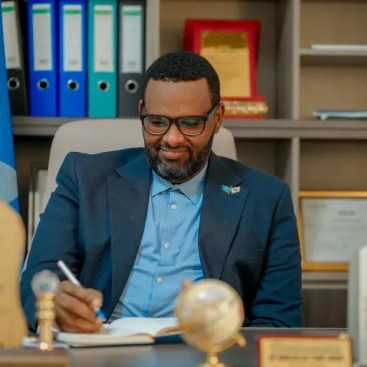
Dr. Abdulrazaq Yusuf Ahmed MBChB, MD, MPH, MSc(HM), PhD (Healthcare Economics), PhD (Demography & Social Sciences), FRSPH, FRSTMH, FeSMA Senior Executive Director │ Global Health Leader │ Kidney Donor Dr. Abdulrazaq Yusuf Ahmed, widely known as Dr. Jalaaludiin, is a Somali physician, public health specialist, health systems reformer, and national health-financing leader. With more than 15 years of progressively senior experience in clinical service, public-sector transformation, hospital leadership, emergency response, and health policy, he has built a distinguished career at the intersection of medicine, governance, and systems change. He currently serves as Director General of the National Health Insurance Authority (NHIA), Somalia, where he is helping shape the country’s health insurance agenda and advance financial protection, strategic purchasing, provider accountability, and Universal Health Coverage.   Over the years, Dr. Abdulrazaq has had the privilege of serving at the Federal Ministry of Health & Human Services at the national level, contributing to and leading the development, reform, and implementation of important health policies, strategies, guidelines, regulatory frameworks, and institutional systems. His leadership journey has included roles in national health systems strengthening, emergency coordination, health workforce governance, and hospital transformation. He previously served as Director of Human Resources Management and HRH Development, National Incident Manager for Somalia’s COVID-19 response, Senior Advisor and Team Lead for Health Systems Strengthening, and Director of Medical Services and Deputy Director General. He also led Demartino National Public Hospital, where he oversaw major service expansion, clinical governance reform, and continuity of care during the COVID-19 emergency.   A committed advocate for Universal Health Coverage, Dr. Abdulrazaq’s work is driven by a deep belief that strong institutions, equitable financing, accountable governance, and people-centered service delivery are essential to national progress. He has been actively engaged in institution-building in fragile settings, translating evidence into practical reforms, and championing more resilient and responsive health systems for Somalia. He is also a strong voice for mental health, health equity, and dignified access to care, recognizing that sustainable development must include the often-overlooked social and psychological dimensions of wellbeing.    In academia, Dr. Abdulrazaq is a senior lecturer, postgraduate coordinator, mentor, and public intellectual with teaching and training contributions in medicine, infectious diseases, health policy and planning, health systems, healthcare leadership, epidemiology, research methodology, and health economics across local and regional universities and institutes. He has supported postgraduate teaching and curriculum development, mentored emerging scholars and health professionals, and contributed to competency-based professional development in complex settings.  He is also a prolific researcher and writer, with more than 35 publications spanning health systems, health financing, governance, Universal Health Coverage, pandemic preparedness, One Health, infectious diseases, and mental health, alongside a growing body of public-facing articles, reflections, and policy-oriented thought leadership on health systems, public-sector reform, governance, community development, and social science. His work has appeared across peer-reviewed and scholarly platforms, and he continues to contribute to national and global conversations through research, commentary, and professional engagement.    Beyond government and academia, Dr. Abdulrazaq is active in international forums, leadership platforms, professional networks, and educational societies. He holds multiple fellowships and memberships, including the Royal Society for Public Health (FRSPH), the Royal Society of Tropical Medicine and Hygiene (FRSTMH), and other international professional bodies, and he has served in board-level and ambassadorial capacities. His leadership has been recognized through national and international awards, and he remains committed to using evidence, service, and institutional leadership to improve lives.   At the heart of his work is a simple but powerful mission: to help build a healthier, fairer, and more resilient Somalia. Whether through policy reform, institutional development, academic mentorship, research, or public advocacy, Dr. Abdulrazaq Yusuf Ahmed continues to advance a vision of health systems that are inclusive, accountable, and worthy of the people they serve.
Unknown's avatar
img 0862 1
Blog, مدوناتي

المعلّم في الوجدان الصومالي. “هيبةُ رسالةٍ وضياءُ حياةٍ”

كان والدي يوسف بطلًا من أبطالِ التَّعليم، تحفظه ذاكرةُ المجتمع الصوماليِّ بوصفه مشعَلًا للهداية، ودليلًا للأبناء نحو مستقبلٍ أفضل؛ لم يزل يحرِصُ على أن يكون طلابُه أعضاءً فاعلين في نهضةِ المجتمع وبنائه. ونسألُ اللهَ تعالى أن يُثيبَه عن جُهده وتفانيه بجنَّاتِ الفردوسِ الأعلى، وأن يجعلَ ما قدَّم لهم من تعليمٍ وتربيةٍ في ميزانِ حسناتِه، جَزاءً له على ما بذل من إخلاصٍ في خدمةِ الأجيال.

إنه معلّم حياتي، الذي علّمني معنى الحياة وقيمتها، وفتح أمامي دروب المعرفة والوعي، وربّاني على أن تكون الكلمة الطيبة والفكرة الصادقة والعلم النافع طريقًا لخدمة الناس والوطن.

إنَّ المعلِّمين في الصومال رُكنٌ ركينٌ من أركانِ هذه الأمَّة، وهم أحقُّ الناسِ بالإجلالِ والتقديرِ والدَّعمِ الكامل؛ فبهم تُشَيَّدُ صُروحُ القِيَم، ويُصانُ الهويَّةُ والثقافة، وتُبنَى العقولُ التي تحمِلُ مشروعَ النَّهضةِ والعُمران.

img 0078
Blog, Legacy, Resilience

بين بريق الأضواء وظلِّ الإتقان

تبدو الحياة هذه الأيام وكأنها خشبة مسرحٍ مفتوحة، تزدحم حولها الأضواء وتتعالى فيها أصوات التصفيق، حتى صار وهج الكاميرات معيارًا زائفًا للقيمة، وصار بريق الظهور الخارجي بديلًا عن جوهر العمل ومعناه. في مثل هذا الازدحام الصاخب، تنزلق القيم إلى الهامش، ويتراجع الإتقان أمام لهاثٍ محموم نحو شهرةٍ هشة لا تستند إلا إلى عدد متابعين، أو صورةٍ مُنمّقة، أو لحظة إعجابٍ لا تدوم.

لكن هناك فضاء آخر… مساحة هادئة لا يصلها صخب الأضواء ولا تتسلل إليها عقد المباهاة. فضاء الظلال.
في هذا الفضاء يولد العمل المتقن، وتُصان النوايا من تشويه الرياء، ويظل القلب نابضًا بالصدق بلا حاجة إلى جمهور ولا تصفيق. العمل في الظل ليس انسحابًا ولا هروبًا، بل هو اختيارٌ ناضج حين يصبح البريق معروضًا بثمنٍ رخيص. هو عودة إلى الأصل: إلى قيمة الإنسان بما يقدّمه، لا بما يُقال عنه، وإلى صوته الداخلي لا يمكن لأضواء الشهرة أن تخدّر بصيرته.

فالأضواء ليست دائمًا دفئًا… كثيرًا ما تحرق.
أمّا الظل، ففيه راحة تبدأ من الداخل؛ راحةٌ تشبه نسمةً خفيفة لا يوقظها تصفيق ولا يطفئها نقد. هنا تتحرّر الروح من ضغط التجمّل، ويعثر الإنسان على حريته الأولى: حرية أن يكون نفسه كما هي، بلا أقنعة ولا محاولة لإرضاء أحد.

في الظل تنضج الحكمة… ينضج الصبر… وينضج القلب. تتراكم الخبرات بعيدًا عن ضجيج المقارنات، ويصبح النجاح فعلًا داخليًا لا يحتاج إعلانًا. لا أحد يعرف، ولا أحد يشهد، ولا أحد يصفّق—ومع ذلك ينمو الإنسان، ويزدهر، ويحيا بطمأنينة لا يدركها من سكنوا تحت وهج الظهور. فهناك من خرجوا إلى الضوء بحثًا عن مكانٍ بين الناس، فإذا بالضوء يكشف ضعفهم، ويسرق منهم سكينتهم، ويزجّ بهم في دوائر من النقد، والسخرية، والتقليل، حتى استثقلوا الحياة التي تمنّوها.

في المقابل، أهل الظلال لا ينتظرون مدحًا ولا يتألمون لغياب التفاعل. يكفيهم صفاء نواياهم، ويكفيهم اتساع صدورهم وهم ينجزون في صمت، ويساعدون في صمت، ويفرحون في صمت. هناك حيث لا يراقبهم أحد، تتشكل أصدق لحظات الإنسانية، وتولد أجمل مساحات الطمأنينة؛ فالراحة لا تقيم تحت الأضواء… الراحة تسكن الزوايا الهادئة من الحياة.

وحين يختار الإنسان الظل، تختفي الحاجة إلى إرضاء العيون، ويعود معيار العمل إلى أصله: إخلاصٌ خالص لا يتجه إلا إلى وجهٍ واحد، وطمأنينة لا تُستمدّ إلا من صفاء العلاقة مع الله، ثم مع النفس، ثم مع الأهل. فلا يُعمل خيرٌ من أجل أن يُرى، ولا يُترك شرٌّ خشية أن يُقال، بل تصبح النية أصدق، والخطوة أثبت، والبصيرة أعمق. في الظل يخطئ الإنسان بكرامة، ويتعلّم بكرامة، ويعيش بكرامة… دون أن يتحول إلى مادةٍ للناس أو حكاية على صفحاتهم.

حياة الظل ليست تراجعًا؛ إنها حكمة. ليست عجزًا؛ إنها وقاية. ليست عزلة؛ إنها راحة صافية، وحرية نقية، وقيمة لا يمكن أن تمنحها الأضواء مهما سطع وهجها.

3f6e1ae1 9ab7 4cca aed3 eee3976eb0db
Blog, Resilience

My Journey into the Realm of Disappointment: Learning the Power of Emotional Detachment

In the whirlwind of life and its many turns, we sometimes find ourselves in situations where we plead for respect and appreciation from those around us. We cling to a fragile hope that our earnest words might shift their behavior or soften their attitude toward us. But alas! True change can only emerge from within it cannot be coaxed out of a heart that has not chosen to transform of its own accord.

People are responsible for their decisions and their own growth. We cannot force that upon them but we can inspire them by walking our own path. Emotional freedom and the breaking of social-emotional chains teach us that our happiness and peace lie in our ability to draw clear lines, to recognize our inherent worth, and to walk away when necessary. In doing so, we reclaim control over what truly matters: our growth, our joy, and our peace of mind.

35426f89 0250 4d45 94f6 8c0b36552fa5 2
Blog, Legacy, Resilience, Uncategorized, مدوناتي

Child Survival in Somalia: A Health Systems Imperative on World Pneumonia Day 2025

Pneumonia: The Unseen Emergency Facing Somali Children

Today, as the world marks World Pneumonia Day, we are reminded of a silent emergency that continues to devastate families across Somalia and the globe. Pneumonia remains the single largest infectious killer of children under five, claiming more young lives than any other disease—even more than HIV, malaria, or measles combined. For every Somali child lost to pneumonia, there are countless others whose futures are compromised by the disease’s lasting impact.

In Somalia, the burden is particularly severe. Decades of conflict, poverty, and fragile health infrastructure have left our children acutely vulnerable. In remote villages, nomadic settlements, and even urban centers, pneumonia preys on those least able to defend themselves—the very young, the elderly, and those with underlying conditions.

Why Pneumonia Still Kills in Somalia

Pneumonia is a disease we know how to prevent and treat. Yet in Somalia, several factors combine to make it a persistent and deadly threat:
• Limited Access to Vaccines: Vaccination coverage against Haemophilus influenzae type b (Hib), pneumococcus, measles, and pertussis remains dangerously low. Conflict and insecurity disrupt vaccine supply chains and outreach to marginalized communities.
• Malnutrition and Underlying Vulnerabilities: High rates of malnutrition and food insecurity mean many Somali children are immunologically compromised from the start.
• Weak Health Systems: Too many health facilities lack the basic tools to diagnose and treat pneumonia—reliable medical oxygen, pulse oximetry, and antibiotics are not universally available.
• Environmental Risks: Overcrowding, indoor air pollution from open fires, and tobacco smoke further increase the risk and severity of pneumonia.

img 8016
Legacy, Resilience, مدوناتي

وَأَنْ لَيْسَ لِلْإِنسَانِ إِلَّا مَا سَعَى﴾

الحياة في جوهرها ليست طولَ أيامٍ ولا تراكمَ سنين، بل امتلاءُ لحظاتها بالمعنى، وسَعيُ صاحبها نحو غايةٍ كبرى تليق بكرامته كإنسانٍ خُلِق ليكون خليفةً في الأرض، لا تابعاً لغرائزه ولا أسيراً لروتينٍ مملٍ يسرق منه وهج الرسالة التي حُمِّلها. إنّ العاديين من الناس يطيلون أعمارهم في الزمن، ويقصرونها في الأثر؛ يخافون الموت لأنهم لم يعرفوا للحياة طعماً، ولم يدركوا أن القيمة لا تُقاس بطول البقاء، بل بعمق العطاء.

إنّ الإنسان في تصوّر الإسلام كائنٌ مكلّف، لا عابر سبيل. جُعل له عقلٌ يميّزه، وضميرٌ يرشده، ورسالةٌ تعيد التوازن بين طينته الأرضية ونفخته السماوية. خُلق للسعي لا للسكون، وللاجتهاد لا للكسل. يقول تعالى: ﴿وَأَن لَّيْسَ لِلْإِنسَانِ إِلَّا مَا سَعَىٰ﴾، فيذكّرنا بأنّ الكرامة لا تُوهب بل تُكتسب، وأنّ نتائجنا هي حصاد سعينا، لا أمانينا. فالسعي ليس حركة جسدٍ فقط، بل هو تصميمُ عقلٍ وإرادةُ روحٍ، وصدقُ نيةٍ تترجمها الأفعال. ومن هنا فإنّ التواكل على الأقدار دون عملٍ هو صورة من صور الغفلة، أما السعي المخلص فهو عبادةٌ تُقرّب العبد من ربه قبل أن تُقرّبه من مراده.

ومهما اشتدّت الابتلاءات وتزاحمت المشقّات، فإنّها جزءٌ من رحلة الامتلاء الإنساني، تمتحن الصبر وتصقل الروح وتذكّرنا بأنّ الطريق إلى الخلود يمرّ عبر الصبر والعمل والإيمان. فمن خالف هوى نفسه ارتقى، ومن استسلم له تقزّم حتى ضاع في العادية. ومخالفة الهوى ليست حرماناً، بل تحريراً من قيوده، وهي أوسع سعادةٍ يذوقها القلب حين يعلو على رغباته ويهتدي بعقله إلى نور الوحي، فيجد الطمأنينة في الرضا، والبهجة في الانتصار على الذات.

العقل في الإنسان هو تاجُ التكليف، وهو رمز الحكمة التي بها شُرّف وامتاز عن سائر الخلق. العقل النقيّ يحيا في توازنٍ بين العاطفة والمنطق، يواجه المشكلات بهدوء، يشارك دون عدوان، ويختلف دون خصومة. عقلٌ يعرف أن يتراجع أمام الدليل، وينحني للحق، ويعتدل في الحكم، فيُصبح الحوار معه متعة، والاختلاف معه ثراء، والحياة معه سهلةً نديةً تتجدّد كل يوم.

هكذا تُعلّمنا الثقافة الإسلامية أن الحياة ليست مسرحاً للعاديين، بل ميداناً للمجتهدين، وأنّ الإنسان الحقيقي ليس من يعيش ويموت كما وُلد، بل من يملأ عمره بمعنى رسالته، ويجعل من سعيه جسراً بين الأرض والسماء. فالحياة الكاملة هي التي يُعاش فيها الوعي، ويُستثمر فيها العقل، وتُروى فيها الروح بماء العمل الصالح، ليُبعث الإنسان يوم القيامة وقد حمل بين يديه شهادة الامتلاء، لا سجلّ الفراغ.

img 9026
Blog, Legacy, Resilience

Health Financing in Somalia in 2025: Analysing the Present and Planning for the Future

Introduction

Somalia’s health sector stands at a critical crossroads in 2025. For decades, the country has faced challenges in building a robust and equitable health financing framework, with limited public resources and significant reliance on households and external donors. This report, Health Financing in Somalia in 2025, provides a comprehensive analysis of the current financing landscape, identifies gaps, and proposes a clear roadmap for achieving universal health coverage (UHC) in the coming years.

Current Spending Patterns and Challenges

Somalia’s health expenditure per capita remains well below regional and global averages, marking it as a stark outlier. Much of the funding flows through fragmented channels, with households shouldering a high proportion of costs directly. Government allocations remain modest, and donor contributions—while essential—often target short-term or project-based interventions. This creates volatility and leaves primary health care (PHC) underfunded and vulnerable to shocks.

Pathway to Universal Health Coverage (UHC)

Achieving UHC is a pressing priority for Somalia’s health system. For the country to meet the internationally recognised benchmarks of at least 5% of GDP and US$86–112 per capita, a combination of domestic commitment and strategic international support is required. Policymakers must develop coherent financing strategies that consolidate fragmented resources, improve efficiency, and prioritise essential services. Strengthening institutional frameworks for health budgeting and expenditure tracking will be key to ensuring sustainable progress.

Reducing Out-of-Pocket (OOP) Expenditure

Households currently bear a disproportionate financial burden, which increases the risk of catastrophic health expenditures and widens inequities. This report highlights the urgent need to implement risk-pooling mechanisms, such as social health insurance or community-based health funds, to protect vulnerable populations. Reducing OOP spending also requires targeted subsidies for essential health services and expanding access to publicly financed primary health care.

Strategic Investment Priorities

Sustainable health financing in Somalia depends on directing resources to the areas that deliver the highest impact. Strengthening primary health care is the cornerstone of this strategy, as it forms the basis for preventative interventions, early disease detection, and cost-effective service delivery. By investing in PHC infrastructure, workforce development, and supply chain management, Somalia can build a more resilient and equitable health system.

Conclusion and Call to Action

The findings of this report underscore that Somalia has both urgent gaps and significant opportunities in health financing. A concerted effort is needed to reduce reliance on household expenditure, mobilise domestic resources, and align donor support with long-term system-building objectives. With clear policies, political will, and strategic investment, Somalia can move decisively towards universal health coverage, ensuring that no one is left behind.

Read the complete report at: .

img 9677
Legacy, Resilience

Mending More Than Bones: Reimagining Somalia’s Health Workforce from Crisis to Catalyst

Somalia stands at a critical crossroads in rebuilding its health sector—and the heartbeat of that transformation is the health workforce.

In my latest deep-dive, “Mending More Than Bones: Reimagining Somalia’s Health Workforce from Crisis to Catalyst,” I unpack the realities behind the numbers, expose the systemic gaps in medical education and regulation, and offer evidence-backed pathways to reform.

This is more than a policy conversation it’s a call for bold leadership, strategic investment, and unwavering commitment to equity and resilience in fragile settings. The future of universal health coverage in Somalia depends on how we act now.

🔗 Read the full analysis on my website: http://www.drjalaaludiin.com
🧩 From crisis to catalyst—
let’s rethink what health workforce reform can achieve for every Somali life.

img 7976
Resilience

مراثي الخُذلان: حين يضحك الظلّ على جراحك:

في اللحظةِ التي ظننتُ فيها أنَّ ظهري مسنود، اكتشفتُ أنَّ السندَ خنجرٌ مخبَّأ في ابتسامة. تعلّمتُ أنَّ بعضَ الوجوهِ تُتقنُ التلاوة على مِحرابِ الأخلاق، بينما قلوبُها تُخالفُ ما تتلو؛ تُزيِّن الفضيلةَ على ظاهرها، وتُضمرُ نفاقًا لا يخطئه بصير. يحدّثونك عن حُرمةِ العِشرة ووفاءِ الخُبزِ والمِلح، فإذا هُم أوّلُ من يدهسُ العهد، ويُسابقُ إلى نقضِ الوصال؛ لا يَرى في الناس إلا مفاتيحَ مصالحِه، فإن انقطعَ نفعُك سقطَ قدرك، وكأنَّ المودّةَ لم تكن. ففي مواسمِ الشدّة تذوبُ الأصباغُ عن الوجوه، فتبدو الحقائقُ عاريةً من كلّ تزويق. كم ظننّا أناسا على خيرٍ لِصدقِ ظاهرهم، فإذا الأيامُ تكشفُ لنا باطنًا يُخالفُ ما بدا، وقلوبًا تلبسُ ثوبَ الفضيلة وهي مغموسةٌ في النفاق، بعيدةٌ عن كلِّ خُلقٍ كريم. يحدّثونك عن صونِ العِشرة، فإذا كانوا أوّلَ من خانها؛ يرفعون شِعار الأمانة، فإذا هم أبعَدُ الناس عن أن يُؤتَمنوا؛ يشكون أهلَ المصالح، وهم في الحقيقة أوّلُ الساعين إليها: لا يرون في الخلقِ إلا أبوابًا لمآربهم، فإن انقطعَ نفعُك سقطَ قدرك، وإن أغلقتَ بابًا دون رغائبهم أغلقوا قلوبهم دونك، كأنّ المودّة لم تكن، وكأنّ المعروفَ لم يُبذل. في أسوأ لحظاتي، حين كانت الروح تترنّح تحت أثقال الظلم والقهر، مددتُ قلبي كجسرٍ إلى صديقٍ ظننته ملجأً، أسندتُ ظهري إلى اسمه، ووهبتُه أغلى ما أملك: وقتي وثقتي وقطعةً من نفسي. فلمّا دارت بي الدوائر، كان أوّل الواقفين ضدي، لا معي؛ شمتَ بجراحي، وأفشى ضعفي، وزاد إلى محنتي محنة، وإلى دموعي قهقهاتٍ هستيرية وضحكاتٍ شيطانية، كأنّ الألم لا يكتمل إلا إذا علا فوقه صخبُ الخذلان. تعلّمتُ يومها أنّ للبشرِ وجوهاً من قماشٍ رقيق: قفازُ فضيلةٍ يُخفي كفّ نفاق، وحديثٌ مُنمّقٌ عن المروءة يصحبه فعلٌ يخونها. رأيتُ من يُطنب في صون العِشرة، فإذا هو أوّل من ينقضُها، لا يرعى معك خُبزاً ولا مِلحاً، كأنّ ما قاله بالأمس لم يكن إلّا ريحاً مرّت. رأيتُ من يتغنّى بالأمانة وهو أبعدُ من أن يُؤتمن، ومن يلعن أهل المصالح فإذا به واحدٌ منهم؛ يرى الخلقَ أبواباً لمآربه: ما دمتَ وسيلةً لبلوغ ما يريد، فلك قدرٌ عنده، فإذا انقطع نفعك أُغلق الباب وأُغلق معه قلبه، وكأنّ المودّة لم تكن، والمعروف لم يُبذل. وأنا وأعترف إذ أخطأتُ حين بالغتُ في التنازل، وحين خضتُ جهاداً طويلاً لألاّ أُرى بعين السوء في أعين من لا يراني أصلاً. طاردتُ رضاهم على حساب نفسي، قدّمتُ لهم الظنَّ الحسنَ وثِقْتُ أنّ النوايا الطيبة تكفي لتُصلح ما تُفسده الظنون. كم كان ذلك ظلماً لنفسي! فالقلوب التي لا تصدّقك، لن تُصدّقك ولو أقمتَ لها ألف برهان؛ ومن لا يرى نورك لن يراه ولو جعلتَ الشمس في كفّه. وأشدُّ ما يَوجعُ أن تأتي الطعنةُ من صديقٍ بذلتَ له الغاليَ والنفيس، وقاسمتَه الروحَ قبلَ المتاع، ثمّ خانكَ في اللحظةِ التي كنتَ فيها بأمسِّ الحاجةِ إلى كتفِه. لم يكتفِ بأن يَتخلّف عن نصرتِك، بل اصطفَّ مع الظلمِ والقهر ضدّك، وأعان عدوَّك عليك؛ كشفَ ضعفَك، وشمِت بجُرحك، وألقى على أنينِك قهقهاتٍ هستيريةً وضحكاتٍ شيطانيةً تُضاعفُ الوجع، كأنَّ قلبَه لا يعرفُ لِلرِقّةِ بابًا ولا للوفاءِ سبيلًا. وما كان الذي جرى – لو لقي قلبًا منصفًا – إلا سُوءَ فهمٍ يعودُ عتابًا رقيقًا يُصلحُ ما بين المحبين ويردُّ الوُدَّ إلى مجراه؛ غير أنّ من نوى خسارتك لا يفتّشُ عن عذرٍ ليُبقيك، بل يختلقُ ألفَ ذريعةٍ ليُقصيك. ثمّة خطأٌ فادحٌ اقترفناه بحقِّ أنفسِنا حين أفرطنا في التنازل، وركضنا نُبرهنُ في غيرِ موضعِ برهان على حُسنِ نوايانا لمن لا يرى فينا إلا شبهةً واتّهامًا. سعينا وراءَ رضاهم على حسابِ سلامِنا، ظنًّا أنّ ذلك يُقرّبُنا ويُصلحُ ما تُفسده الظنون؛ فإذا بالنتيجةِ أن تكسّرتِ النفسُ في الداخل، وتراكمَ الغبارُ على المرآةِ حتى لم نعد نرى صورتنا كما ينبغي. إنّ محاولتك أن تُقنع من عقدَ عزمه على إساءة الظنِّ بك ليست من الكرم، بل من الظلمِ لنفسك؛ والرحمةُ بالنفسِ أوّلُ أبوابِ الرحمةِ بالآخرين. كان موجعًا أن أرى من ظننته أقرب الناس يصطف إلى الخلاف لا إلى جانبي، يؤثر الجفاء على مودّتي، كأنّ ما كان بيننا لم يكن. وما الذي حدث أصلًا؟ سوء فهمٍ عابر، لو لقي قلبًا منصفًا لارتدّ عتابًا رقيقًا، يردّ الوُدّ إلى مجراه، ويغسل الغبار عن الطريق. لكن لأنه كان قد قرّر أن يخسرني، لم يُفتِّش عن عذرٍ يُبقيني؛ صنع ألف ذريعةٍ تُبرّر له إقصائي. هكذا هي القلوب عندما تنوي الفراق: تُتقن صناعة الحجج. ومن أرادك احتملك بكل ما فيك، ومن أراد فراقك اختلق ما يُسوِّغ لنفسه هجرانك. لا أنكر أثر تلك الطعنة على نفسيتي وعقلي. حين يتضاعف ثقل الهمّ بضحكاتِ الشماتة، يتصدّع داخلك شيءٌ غامض: تتساءل عمّا إن كنتَ أسأتَ الاختيار أم أسأتَ الثقة؛ تشكّ لحظةً في ذاتك قبل أن تعود فتتذكر أن الجرح لا يُدين المذبوح. لكنّ هذا الانكسار لم يَخْلُ من هديته: علّمني أن أوطّدَ حدودي، وأن أضع على باب قلبي حارسًا من بصيرة. علّمني أن الصداقة عهد، والعهد لا يقوم على شعارٍ ولا على موسمِ منفعة؛ وأن العشرة خبزٌ وملح، من خانهما لا يليق به أن يعود إلى مائدتك. لم أعُد أبحثُ عن تبريرٍ لمن اختار خسارتي؛ فمَن أراد البقاءَ يبقى، ومَن مالَ قلبُه إلى المصلحة تودّعُه المصالحُ حينما تشاء. لم أعُد ألاحقُ اعترافاً ببراءتي ممّن اتخذ من الاتهام مسكناً؛ فالحقيقة لا تحتاج إلى استجداءٍ كي تظلّ حقيقة. كلُّ ما فعلتُه أنني سامحتُ نفسي على سذاجة الثقة، وغفرتُ له—لا تفضّلاً—بل تخلّصاً؛ فالغفرانُ مفاتيحُ يفتح بها القلبُ أبوابَه للضوء. أمّا النسيان، فليس واجباً؛ نحن لا ننسى لئلا نعيد الخطأ، لكننا نضع الألم في مكانه الصحيح: تجربةً صنعتْ وعينا، لا قيداً يشدّنا إلى الخلف. ولستُ أنكر أنّ شيئاً في داخلي تغيّر: صار صمتي أبلغ، وحدودي أوضح، وإحساني أذكى. إنّ الامتحان الذي انكشفت فيه الوجوهُ حفظ لي نعمةَ التمييز؛ صار بمقدوري أن أرى الخيطَ الفاصل بين من يزيّن الكلمات ومن يصدُق الأفعال، بين من يرفعك إذا تعثّرت ومن يدفعك لتسقط كي يعلو صوتُ ضحكته. عرفتُ أنّ “العِشرة” لا تُقاس بطول الزمن بل بصدق الوقفة، وأنّ الوفاء ليس شعاراً يُرفع في السعة بل موقفاً يُؤخذ في الضيق. اليوم، إذا تذكّرتُ تلك “القهقهات الهستيرية” التي علت فوق جراحي، لا أسمح لها أن تعلو فوق وعيي. أبتسم ابتسامةً هادئةً تقول: لقد مررتُ من هنا وخرجتُ أكثر قوّة. وما بقي من الحكاية سوى خلاصةٍ لا تخطئها عين: لا تُسرف في تبرئة قلبٍ يُدينك سلفاً، ولا تُهدر أجمل ما فيك لإقناع من لا يريد أن يقتنع. احفظْ نفسك، واغرسها بين أيدي من إذا أعطيتَهُم ثمينك زادوك ثراء، وإذا ضعفتَ بدّلوا قهقهات الناس بأذرعٍ تحتضنك. هذه الخيانةُ لا تمرُّ بلا أثر؛ تتركُ في الروحِ ندوبًا خفيّة، وتُطلقُ في الرأسِ ضجيجًا لا يهدأ: أسئلةٌ عن العدالة، وارتجافٌ في اليقين، وتشتّتٌ

img 7931
Resilience, مدوناتي

(أَلَّا تَطْغَوْا فِي الْمِيزَان )نداء العدل ونبض الكون ووصية الخالق

الميزان… حين تتنفس الأرض عدل السماء

حين رفع الله السماء بعظمته، لم يتركها معلقة في فراغ، بل علّق معها سرّ الحياة… الميزان. ميزانٌ لا تراه العيون، لكنه يسري في كل نبضة من الكون؛ في انسياب النهر، وفي شروق الشمس، وفي انحناءة الغصن حين يثقل بالثمار.

﴿أَلَّا تَطْغَوْا فِي الْمِيزَانِ﴾… ليست مجرد آية، بل نداء أزلي، يذكّر الإنسان أن الكون قائم على خيط دقيق من العدل، لو انقطع، لانهار كل شيء. فالنجوم لا تتصادم لأنها تعرف حدود مداراتها، والبحار لا تطغى على اليابسة إلا إذا كسرت الرياح عهدها، وكذلك الإنسان إذا نسي حدوده، وترك ميزانه يميل، انكسر كل ما حوله.

الميزان ليس قطعة حديد توزن بها السلع، بل هو نبض خفي يقيس الصدق في الكلمة، والوفاء في الوعد، والرحمة في القلب. هو الذي يحكم العلاقة بين الغني والفقير، بين الحاكم والمحكوم، بين القوي والضعيف. هو الذي يجعل الحرية ممكنة، والكرامة مصونة، والعدالة راسخة كجذور الشجر.

ولكن حين يختل هذا الميزان، يبدأ الفساد بالتكاثر كعشب سامّ، يملأ الحقول ويخنق الزهر. يفسد العقل حين يبيع الحقيقة، ويفسد القلب حين يطرد الرحمة، ويفسد الكون حين يُهمل الإنسان عهد الله فيه. وحين ترتفع حرارة الطغيان في النفوس، ترتفع حرارة الأرض، كأن الطبيعة تصرخ مع الإنسان المظلوم.

لقد جعل الله الإنسان أمينًا على الأرض، ووهبه عقلًا يزن به الأمور، وقلبًا يلين للحق. فإذا غابت الأمانة، وضاع العدل، صار الكون كله مريضًا… الرياح أكثر غضبًا، والمياه أكثر ملوحة، والقلوب أكثر قسوة.

الميزان هو أن تعطي بقدر ما تأخذ، وأن تحمي كما تطلب الحماية، وأن ترى في كل وجه ملامح نفسك، فلا تظلم، ولا تسرق، ولا تحتكر ما به حياة الآخرين. هو أن تدرك أن قيمة الإنسان ليست في جيبه، بل في قلبه وعقله ويده الممدودة بالخير.

تذكّر أن يومًا سيأتي، ستوضع فيه أعمالك في ميزان لا يخون ولا يضل، وأن لحظة الانحراف عن العدل، وإن خفيت عن أعين الناس، ستظهر على كفّتيه بوضوح الشمس.

الميزان… ليس مجرد رمز، بل هو تنفّس الأرض بعدل السماء، وهو الحارس الذي إن سقط، سقط معه الإنسان والكون معًا. فاحفظه، وكن له أمينًا… قبل أن تفقد نفسك في زحام الطغيان.

Legacy, Resilience

Cost and Utilization Analysis (2023–2024) Report from Demartino public Hospital

An Analysis of the 2023-2024 Cost and Utilization Report for De Martino Public Hospital The following is a professional analysis of the “2023-2024 REPORT: Cost and Utilization Analysis” for De Martino Public Hospital. This analysis synthesizes the report’s core findings, methodology, and strategic recommendations concerning Somalia’s largest and oldest public referral facility. Executive Overview: The report provides a comprehensive economic assessment of De Martino Public Hospital’s operations for the 2023 and 2024 fiscal years. Its primary objectives are threefold: to reconcile actual service volumes (including outpatient, inpatient, and diagnostic services); to present a modeled cost structure that reflects the hospital’s true resource utilization; and to provide granular unit-cost estimates to inform strategic planning, budgeting, and advocacy. The analysis underscores the hospital’s critical role in the Somali public health system while navigating a resource-constrained environment. Core Findings Service Utilization Analysis: The hospital managed a significant and sustained patient caseload, affirming its status as Mogadishu’s main public referral center.  * Overall Patient Volumes: In 2023, the hospital documented 157,840 outpatient (OPD) visits and 39,459 inpatient (IPD) admissions. In 2024, it treated a total of 124,461 patients, which included 92,297 OPD visits and 19,049 IPD admissions.   Critical Care Services: Despite a nominal decrease in overall reported volumes in 2024, utilization of life-saving services remained high or increased. Maternity deliveries grew by 19.4% to 11,833, Neonatal Intensive Care Unit (NICU) admissions rose by 4% to 1,772, and Severe Acute Malnutrition (SAM) admissions increased by 4% to 3,332.  Surgical and Medical Caseloads (2023): The General Surgery department managed 17,645 OPD visits and 9,700 IPD admissions, while General Medicine handled 24,279 OPD visits and 7,170 IPD admissions. Financial and Cost Structure Analysis The report establishes a total estimated annual operational cost of $5,750,000 in 2023 and $6,012,500 in 2024.   Primary Cost Drivers: The cost composition was consistent across both years:    Personnel (Salaries & Benefits): 55% of total costs. This equates to approximately $3.16 million in 2023 and $3.31 million in 2024.     Pharmaceuticals & Supplies: 25% of total costs.    * Overhead (Utilities, Maintenance, Admin): 12% of total costs.    Annualized Capital Costs: 8% of total costs.  * Departmental Cost Allocation: Key departmental budgets for 2024 include $1,260,000 for General Surgery, $997,500 for Pediatrics (including NICU and SAM), and $892,500 for Maternity services. Unit Cost Benchmarking The analysis provides crucial unit-cost data for key services, which are broadly aligned with regional benchmarks.   Maternal Health (2023): A vaginal delivery was costed at $73.07, and a Caesarean section at $165.45.   Pediatric Health (2023): A pediatric IPD admission was estimated at $91.91, a NICU admission at $165.45, and a SAM admission at $140.48.   Surgical Procedures (2023): A major surgical procedure had an estimated unit cost of $123.66. Methodological Rigor and Data Integrity The credibility of the report’s findings is supported by a transparent and robust methodology appropriate for the local context.   Costing Framework:  The analysis employs a hybrid costing method, which combines internationally accepted approaches to generate economic costs rather than simple budgetary outlays. This includes Step-Down Allocation for overhead costs, Top-Down Allocation for direct departmental costs, and Activity-Based Costing (ABC) principles for specific “tracer” services.  * Data Sources and Assumptions:  The model is built on the best available data, with all assumptions documented. Service volumes are from the hospital’s official Annual Performance Reports. Staffing and salary data are derived from Ministry of Health scales and NGO surveys. Capital costs are based on replacement cost estimates depreciated over their useful lives. Strategic Implications and Recommendations: The report frames De Martino Hospital as a cornerstone of the national health system, championing equity by providing free care to vulnerable groups and serving as a primary training hub for medical students. The findings lead to several high-level strategic  recommendations for hospital leadership and public health stakeholders. Enhance Health Information and Financial Systems: The report strongly recommends the implementation of an electronic medical record (EMR) and a formal financial ledger system. This is a direct response to identified challenges such as the use of paper records and inconsistent data definitions, which currently limit data accuracy and planning capacity.  Prioritize Infrastructure Modernization and Maintenance: The analysis highlights critical equipment gaps, such as a CT scanner that has been offline since March 2024. It recommends prioritizing its repair and developing a capital replacement fund to prevent future service interruptions.   Strengthen Human Resource Stability: A key systemic weakness identified is that less than 20% of staff are permanent civil servants, with the majority being project-funded, which creates tenure insecurity. The report advises converting these positions to core civil servant posts to reduce turnover and build institutional memory.  Advocate for Sustainable Domestic Financing:  Given the heavy reliance on unpredictable donor funding, the report positions its cost data as an advocacy tool. It recommends engaging the Ministry of Health and Ministry of Finance to secure a ring-fenced government allocation that covers at least 75% of operating costs, thereby reducing donor dependency. In conclusion, the Cost and Utilization Analysis provides an evidence-based foundation for policymakers and hospital leadership.  By presenting transparent data on service delivery and resource use, it equips stakeholders with the necessary tools to plan, budget, and advocate for the sustainable future of De Martino Hospital, ensuring its continued ability to strengthen Somalia’s public health system.

Scroll to Top